Table of Contents
If you're grieving, remember this: your grief shows the deepness of your connection. It's not something to "overcome" however instead to move through, bring your love and memories forward right into a life that, while for life changed, can still hold significance and happiness.
Pain is a natural psychological action to loss. Grieving is a procedure that can help you come to terms with a loss, such as when a loved one passes away. Everyone experiences pain in a different way. Your experience of sorrow and just how you deal with it will certainly depend on various factors. These may include your age, previous experiences with grief and your spiritual or spiritual views.
Awaiting despair indicates sensation unfortunate before the loss occurs. Instead than grieving for the person, who is still with you, you may feel sorrow for the points you won't reach do together in the future. When facing a substantial loss, such as the fatality of a loved one, it is natural to feel several solid feelings.
Individuals diagnosed with a terminal health problem and those dealing with the fatality of an enjoyed one may experience anticipatory despair., you may experience numerous emotions consisting of shock, concern and despair.
The Interplay Between PTSD and Success-Seeking
You regret lost opportunities or experiences you'll miss even little ones, such as the pleasure of the sunlight or a warm mug of coffee. If somebody you enjoy is facing an incurable disease, it is common to experience anticipatory sorrow in the months, weeks and days prior to death. You might grieve the same things your enjoyed one is grieving, or various losses altogether.
You might feel that the individual you recognized is currently gone, even if they are still physically there. If your loved one has a decrease in physical health or wheelchair, you might really feel awaiting pain as you shed the chance to share experiences, such as leisure activities, vacations or events.
This is specifically true if you spend a great deal of time looking after the person. You might miss tasks you made use of to appreciate with each other and feel pain about the adjustment in your partnership. The nature of your relationship may change as you take on a carer's role, or come to be the one being taken care of.
Feelings of sorrow before death are regular it's essential to identify them, and to chat about them. Experiencing awaiting grief does not necessarily suggest that you will certainly grieve your enjoyed one any kind of much less after they are gone.
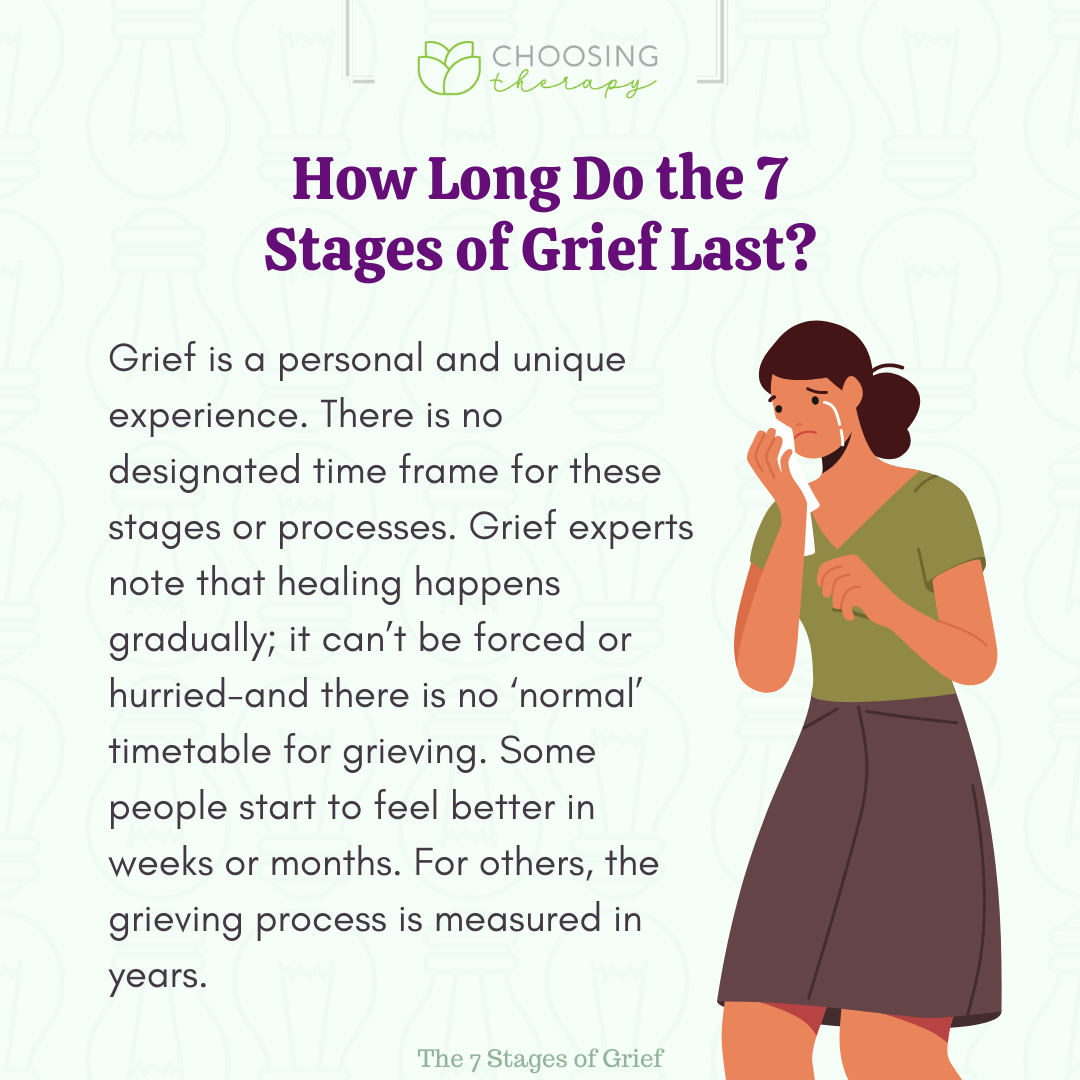
Visit the CareSearch internet site for web links to palliative care and end-of-life info in a variety of community languages. Call Carer Gateway on 1800 422 737 for sources to sustain for Indigenous and/or Torres Strait Islander carers and areas. CareSearch provides info on recognizing grief, end of life and palliative treatment needs of the LGBTIQA+ neighborhood. Individuals discuss the five phases of sorrow as: denial rage bargaining anxiety approval. Actually, we do not experience feelings of despair one by one or in a specific order. We understand that there are no collection stages that everyone undergoes. You might experience these things because they are all normal feelings of despair.
Some individuals feel numb after the death of a person they cared about. If you experience this, it can be since it's simply too tough to believe that the person you recognize so well is not coming back.
Reconnecting: Healing Dissociation to Authentic Living Through Integrative Therapy
Perhaps they guarantee themselves that they will certainly now constantly do (or otherwise do) something, believing that it can make the person who has actually passed away returned. Or perhaps they believe it will quit any individual else dying or various other bad points occurring. This is sometimes called 'enchanting thinking'. Individuals may also locate that they maintain going back over the past and ask lots of 'what happens if' concerns, wishing that they could go back and change points to make sure that they can have transformed out in different ways.
These sensations can be extremely intense and excruciating, and they might come and go over several months or years. But the majority of people discover that uncomfortable feelings such as this come to be much less strong over time. If you do not feel this is the situation for you, then you ought to request aid.
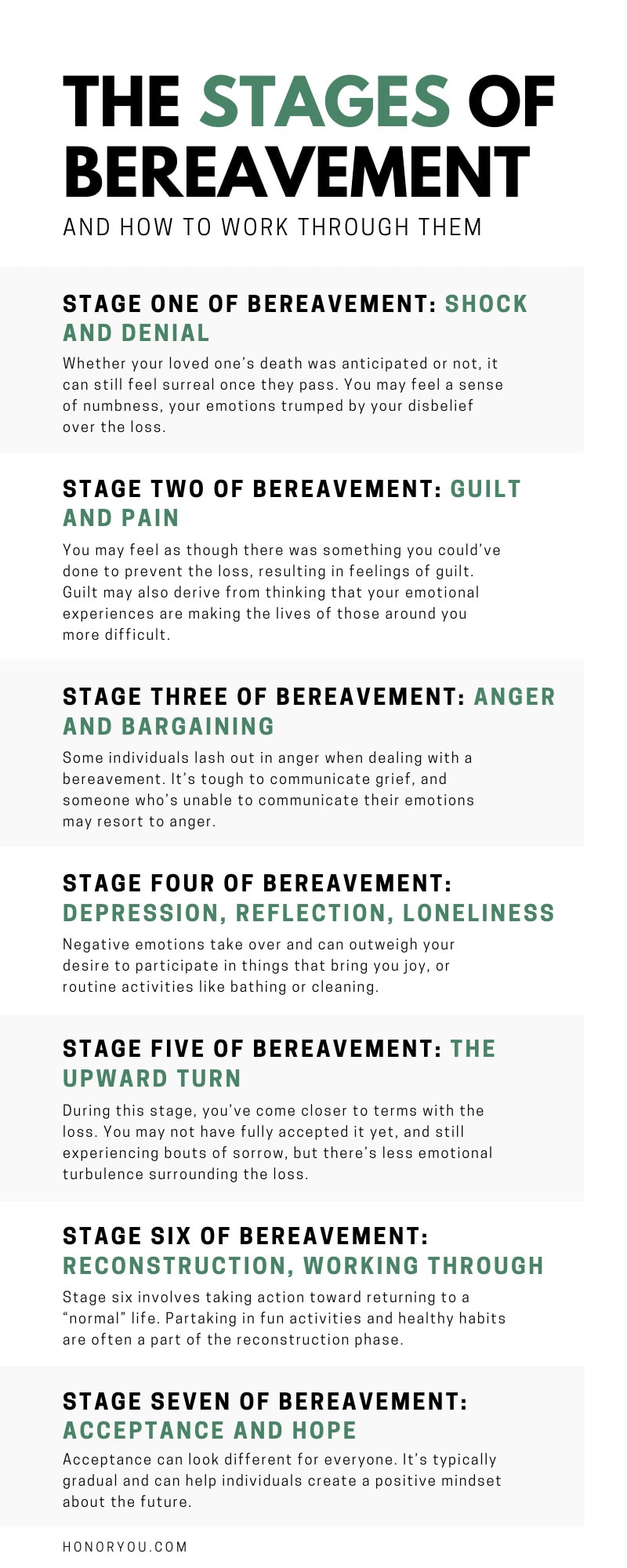
Her design ended up being widely accepted as a means to comprehend despair, but gradually, pain counsellors and scientists increased upon it, resulting in the growth of the. This extensive design includes extra emotional feedbacks that individuals might experience: The first reaction to loss commonly brings shock and disbelief. This stage functions as a safety system, permitting us to take in the reality of our loss in workable doses.
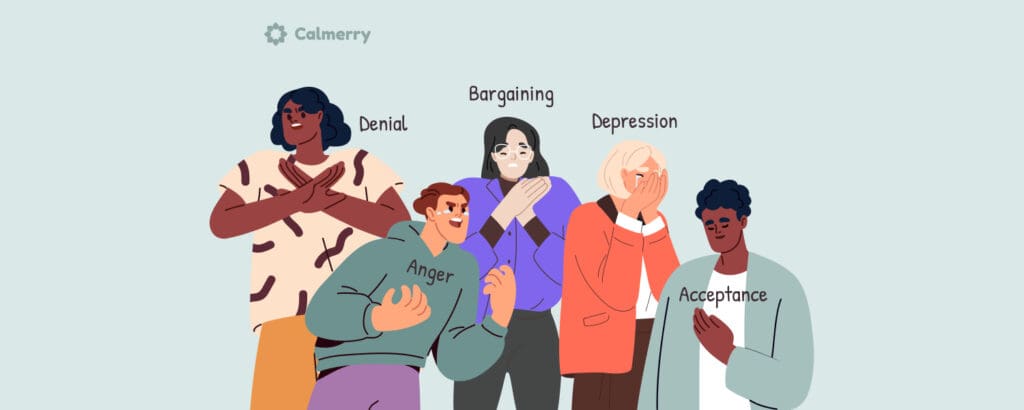
As the shock fades, deep psychological discomfort sets in. Feelings of regret or guilt may arisewondering if you might have done something differently, or sensation sadness over things left unsaid. It's vital to recognize these sensations as opposed to suppress them. Sorrow can materialize as angertoward yourself, others, and even the individual who has actually passed.

Navigation
Latest Posts
Neurobiological Effects of Psilocybin for Therapy for Shared Trauma
Letting Go of Trapped Energy Through Physical Release
Continuing Wellness Beyond Therapy with Anxiety Therapy